
Camera Settings for Nature Photography
The exposure triangle in practical terms — aperture, shutter speed, and ISO choices for moving water, wildlife, and wide mountain scenes.
Read article →Coast Journal documents the working details of outdoor nature photography in Canada: which camera settings hold up in changing mountain light, how to build a composition in open terrain, and how seasonal light behaves from the Rockies to the boreal forest.

Each article covers one fundamental in practical terms, with examples drawn from photographing Canadian landscapes.
The exposure triangle in practical terms — aperture, shutter speed, and ISO choices for moving water, wildlife, and wide mountain scenes.
Read article →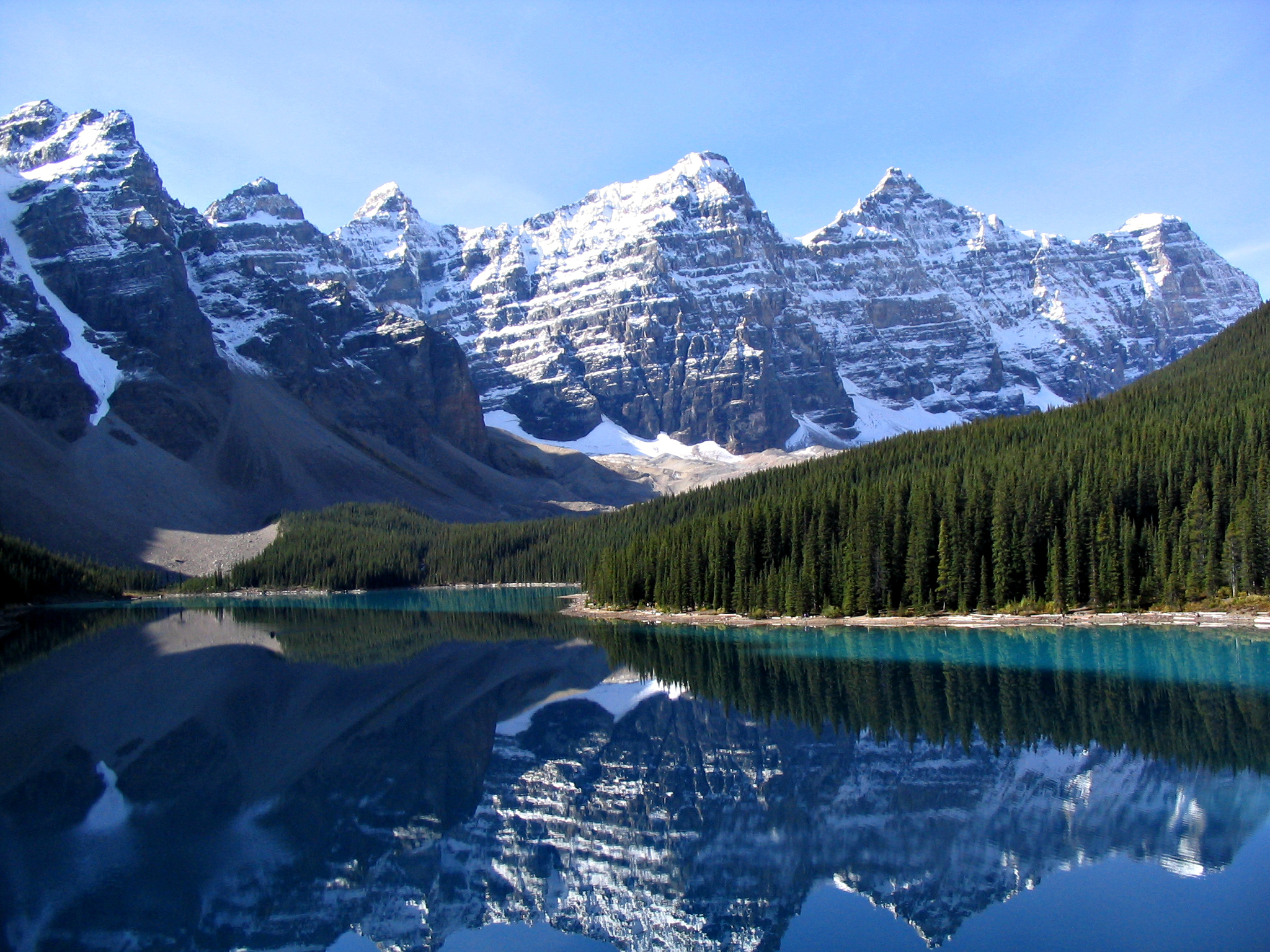
Building order in open landscapes — the rule of thirds, leading lines, and foreground anchors applied to lakes, ridgelines, and forest edges.
Read article →
How light changes through the year at northern latitudes — golden hour, overcast diffusion, snow reflection, and long winter shadows.
Read article →01
Exposure decisions are explained as trade-offs, not fixed recipes, so they transfer between cameras and conditions.
02
Framing techniques are shown against real Canadian terrain — alpine lakes, river valleys, and mixed forest.
03
Seasonal and daily light is covered with attention to high-latitude conditions found across much of Canada.
Questions about an article or a correction to suggest? Use the form and include enough detail for context. This is a frontend-only form for a static site; submissions are not transmitted or stored.
general
editor@coastjournal.org
based in
Canada